
Pickleball in Washington State: Why Indoor Play Is Becoming Essential
Pickleball has moved from niche pastime to mainstream sport across Washington State. What began on outdoor courts in parks and rec centers has evolved into a year-round activity supported by dedicated facilities, leagues, and growing communities.
As participation increases, so does demand for consistent places to play. Indoor pickleball in Washington is no longer just a backup plan for rainy days. For many players, it has become the foundation of how they learn, compete, and stay connected to the game.
Pickleball’s Growth Across Washington State
Washington has long been fertile ground for pickleball. The sport’s accessibility appeals to a wide age range, from retirees to younger athletes looking for a fast-paced but low-impact option.
Several factors have accelerated growth statewide:
Expansion of local leagues and tournaments
Increased visibility through schools and recreation programs
Strong community adoption in both urban and smaller markets
As interest rises, outdoor courts alone struggle to meet demand. Weather, scheduling conflicts, and court shortages are common challenges, especially west of the Cascades.
This gap has helped drive the rise of indoor pickleball facilities across Washington State.
What Is Armory Pickleball?
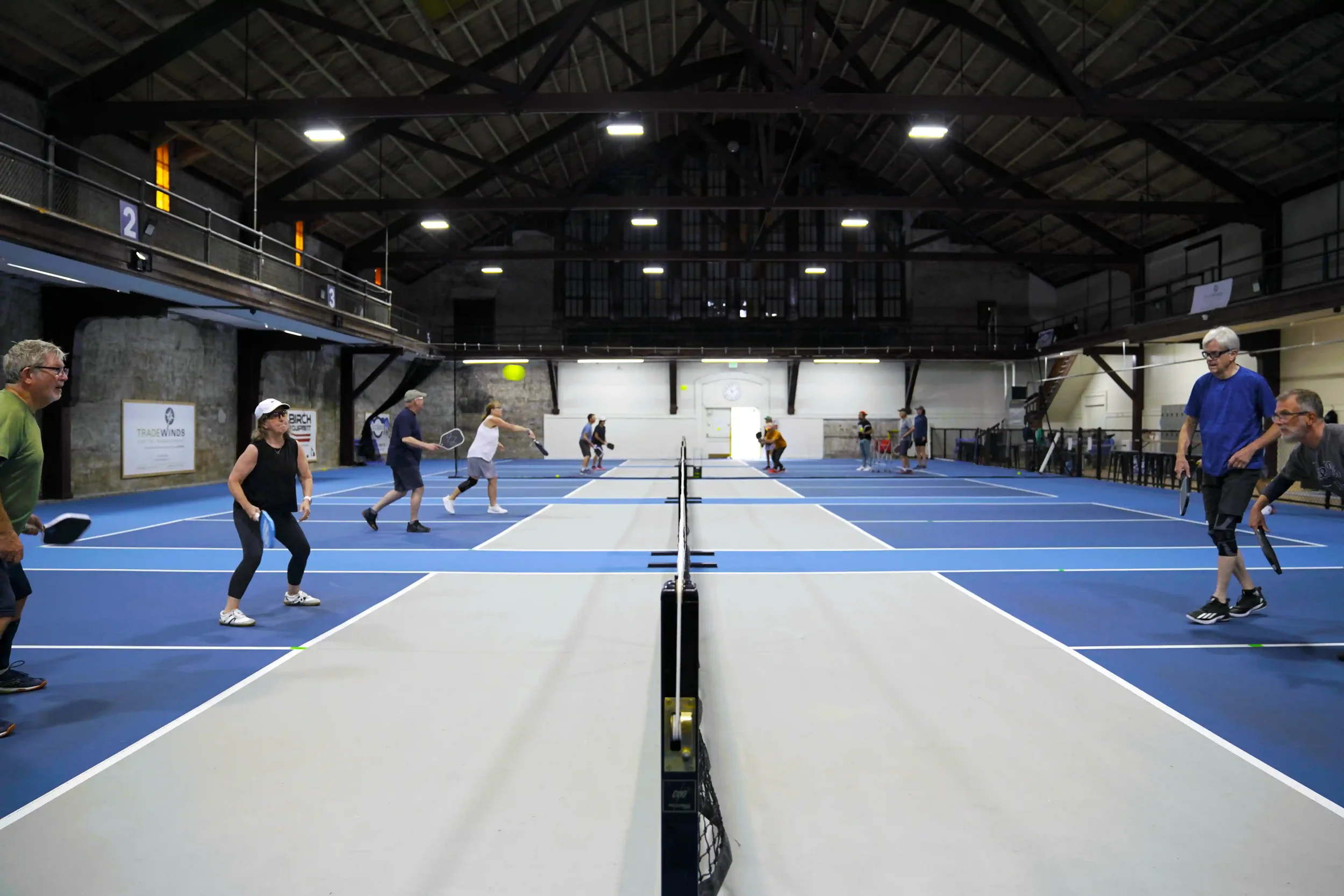
Armory Pickleball is an indoor pickleball operator focused on creating reliable, purpose-built spaces for play. The company currently runs facilities in:
Each location is designed to support open play, leagues, and structured programming in a controlled indoor environment. Armory Pickleball Washington State facilities serve players who want predictable access to courts without relying on seasonal conditions.
The brand’s role is practical rather than promotional. It provides infrastructure that supports the broader pickleball ecosystem already active across the state.
Why Indoor Pickleball Matters in Washington State
Indoor facilities address several realities specific to Washington’s climate and growing player base.
Weather and Seasonality
Rain, cold temperatures, and limited daylight significantly affect outdoor play for much of the year. Indoor courts remove weather from the equation, allowing players to maintain routines and league schedules year-round.
Consistency of Play
Indoor environments offer uniform lighting, surface conditions, and spacing. This consistency matters for players focused on improving technique, footwork, and strategy rather than adapting to unpredictable conditions.
Community Building
Regular access to indoor courts supports stronger pickleball communities. Players see familiar faces, join recurring leagues, and build connections that are harder to sustain with sporadic outdoor play.
Indoor facilities often become community hubs, not just places to play.
Skill Development and Organized Play
Structured leagues, clinics, and skill-based sessions are easier to manage indoors. This supports player development across all levels, from beginners learning fundamentals to advanced players refining competitive skills.
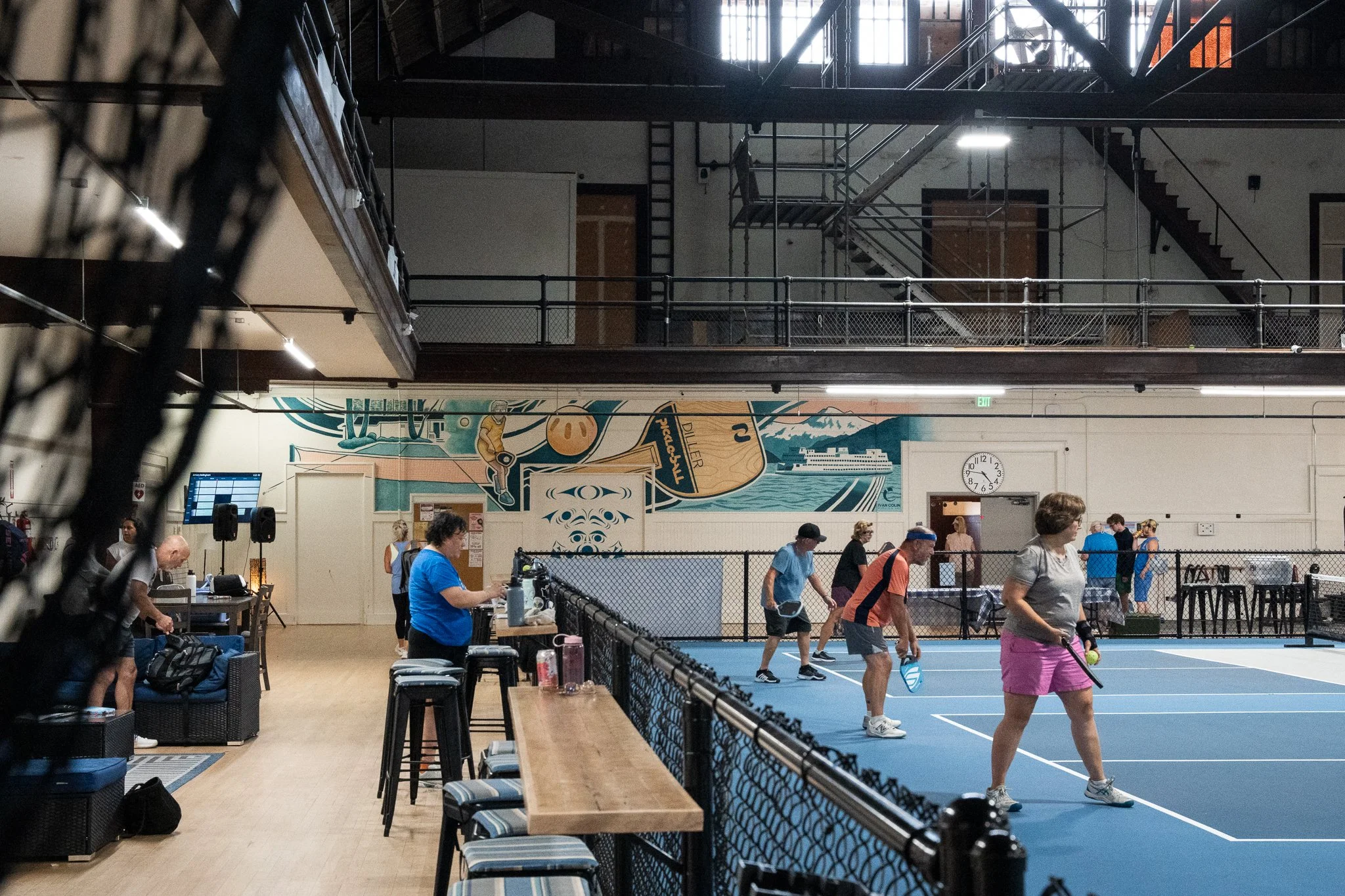
How Armory Pickleball Fits Into the Washington Pickleball Ecosystem
Indoor pickleball does not replace outdoor courts. Instead, it complements them.
Outdoor play remains essential for casual games, public access, and warm-weather events. Indoor facilities step in where outdoor options fall short, especially during peak seasons and high-demand hours.
Armory Pickleball facilities provide:
Scheduled court access
Skill-level organized play
League and event consistency
This structure helps reduce overcrowding at public courts while giving players more options to stay active. Expansion plans are discussed cautiously, reflecting demand rather than rapid growth for its own sake.
What Players Should Consider When Choosing an Indoor Pickleball Facility
Not all indoor pickleball courts are the same. Players evaluating options in Washington State should look at several practical factors.
Court Quality
Surface material, spacing, and net setup directly affect play quality. Purpose-built courts typically offer a better experience than temporary gym conversions.
Scheduling and Availability
Reliable booking systems, open play windows, and league schedules make it easier to plan consistent play.
Skill-Level Organization
Facilities that group players by skill level tend to offer more enjoyable and competitive sessions for everyone involved.
Community and Programming
Look for locations that foster repeat participation through leagues, clinics, and social play. A strong pickleball community often matters as much as the courts themselves.
The Bigger Picture for Pickleball in Washington State
Pickleball’s growth in Washington State shows no signs of slowing. As participation expands, infrastructure must evolve alongside it.
Indoor pickleball Washington facilities play a key role in that evolution. They provide stability, structure, and year-round access that outdoor courts alone cannot offer.
Armory Pickleball is one example of how indoor facilities can support players and communities without replacing the public spaces that helped the sport grow. The long-term future of pickleball in Washington likely includes both, working together to meet rising demand and keep the game accessible for everyone.
